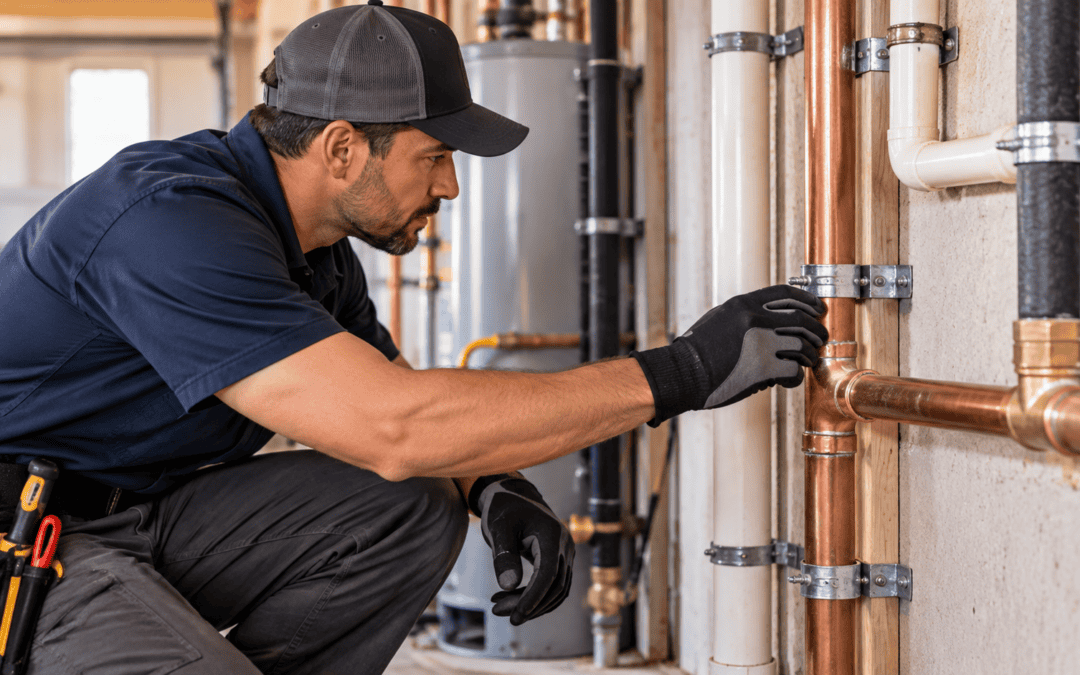
Pipe support systems may not be the most visible part of your plumbing, but they play an important role. Proper supports keep water, drain, and gas piping secure while reducing unnecessary movement and stress.
In Las Vegas homes and commercial properties, plumbing systems can face temperature changes, vibration, and everyday wear. Understanding pipe supports helps property owners recognize why correct installation matters.
What Is a Pipe Support System?
A pipe support system includes hardware that holds plumbing pipes in their intended position. Supports may attach pipes to walls, ceilings, framing, or other structural surfaces.
Depending on the installation, supports can carry pipe weight while controlling horizontal and vertical movement. They also help maintain proper alignment.
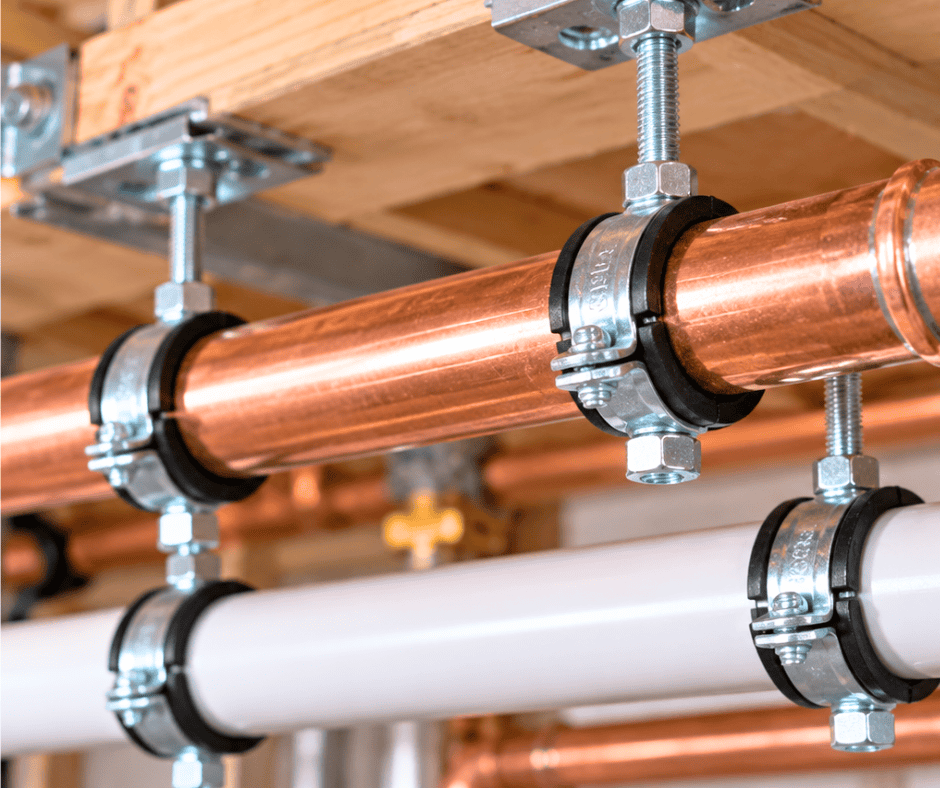
Common pipe support components include:
- Clamps and straps
- Hangers and brackets
- Pipe stands
- Anchors and guides
- Protective sleeves
- Support channels
The correct support depends on the pipe material, diameter, location, and purpose.
Why Proper Pipe Support Matters
Unsupported or poorly supported pipes can sag, shift, or vibrate. Over time, that movement can place additional stress on fittings, joints, valves, and connections.
Drain lines also depend on proper positioning. Incorrect support can affect the slope needed for reliable drainage.
Good support systems help pipes remain stable without unnecessarily restricting natural movement. This balance is especially important when pipes expand and contract as temperatures change.
Different Types of Pipe Supports
Pipe clamps and straps secure pipes to framing or another stable surface. They are common in residential plumbing installations.
Hangers support pipes installed below ceilings or floor structures. Different hanger designs accommodate different pipe sizes and applications.
Anchors limit movement at specific points. They can help manage forces created by changing temperatures or operating conditions.
Guides control the direction of pipe movement without completely locking the pipe in place.
Pipe stands provide support from below. They are commonly used when pipes cannot be conveniently supported from a wall or ceiling.
Choosing the Right Support
Pipe material matters when selecting supports. Copper, PVC, PEX, steel, and other materials behave differently.
A support that works for one material may cause problems with another. Improper contact between certain metals can also contribute to corrosion.
Spacing is another important consideration. Supports placed too far apart may allow pipes to sag. Supports installed incorrectly can also create unwanted pressure points.
Professional plumbers consider pipe size, material, temperature, expected movement, and applicable plumbing requirements before selecting support hardware.
Signs Your Pipes May Need Attention
Visible pipe movement does not always mean there is a serious plumbing problem. However, certain warning signs deserve attention.
Watch for pipes that sag between supports or visibly shake when fixtures operate. Repeated banging or rattling can also indicate movement.
Loose brackets, damaged hangers, and pipes rubbing against framing should also be inspected. Early corrections can help prevent unnecessary wear on the plumbing system.
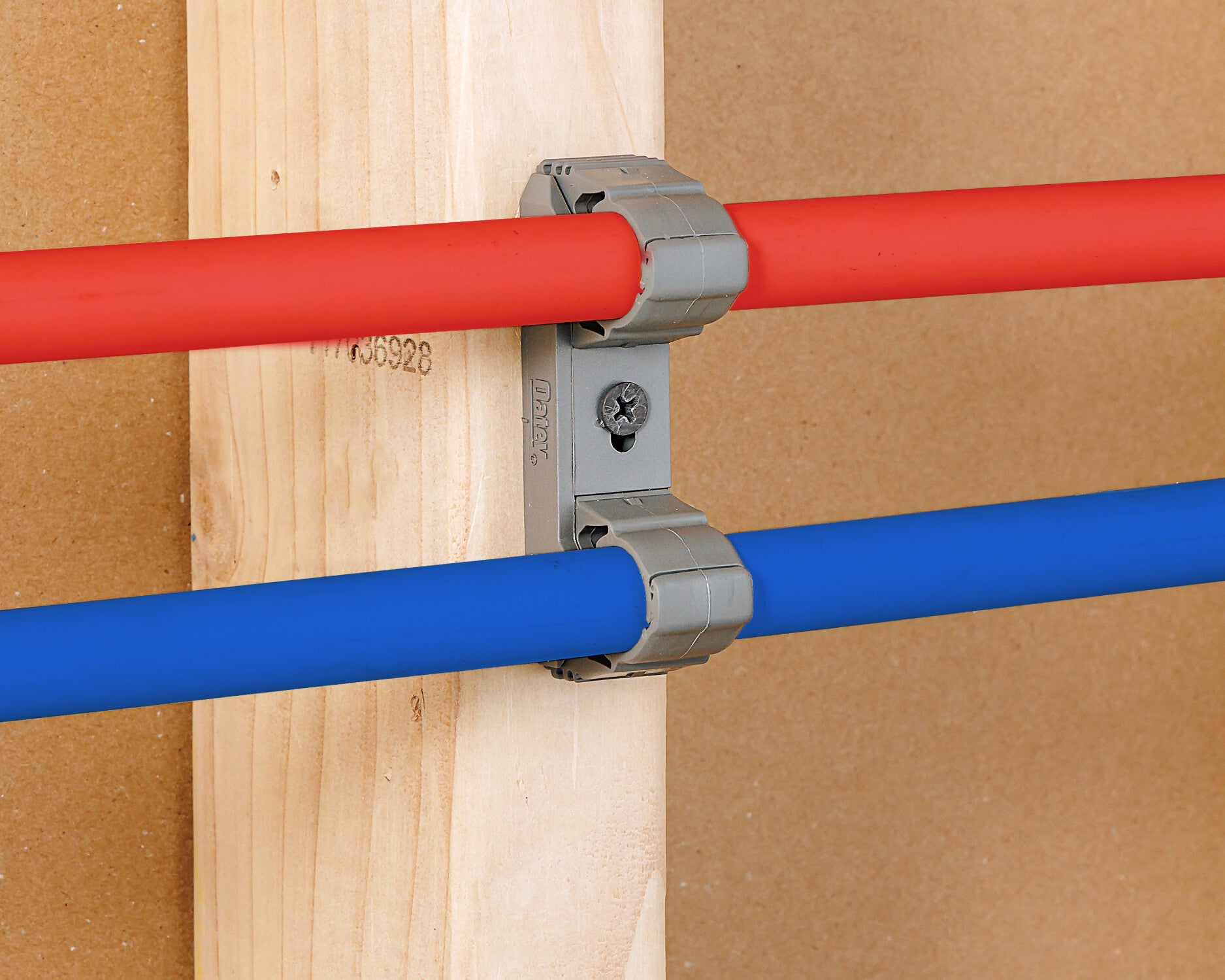
Pipe Supports During Repairs and Remodels
Support requirements become especially important when plumbing is moved during renovations. A new fixture location may change pipe routing and support needs.
Removing walls or modifying framing can also affect existing supports. Pipes should never be left hanging from connections or nearby plumbing components.
At Raptor Plumbing, we focus on secure installations and practical solutions. Careful support helps protect the entire plumbing system, not just the visible pipe.
Frequently Asked Questions
How often should pipe supports be inspected?
Check exposed supports when you notice movement, noise, corrosion, or plumbing changes. Older properties may benefit from periodic professional inspections.
Can I add a clamp to a loose pipe myself?
Simple situations may look straightforward, but support type and placement matter. A plumber can determine whether movement is normal or needs correction.
Why do my pipes make noise even when they look supported?
Pipes can still move from pressure changes, temperature changes, or vibration. The cause should be identified before adding extra restraints.
Proper pipe support protects plumbing connections, maintains alignment, and helps reduce avoidable stress. If pipes are sagging, rattling, or shifting, Raptor Plumbing can evaluate the system and recommend an appropriate solution.