A suspected gas leak is one of the most serious emergencies a homeowner can face. Natural gas is a reliable energy source for many Las Vegas homes, powering water heaters, furnaces, stoves, and other appliances. However, when a gas line becomes damaged or develops a leak, quick action is critical to protect your family, neighbors, and property.
Understanding the warning signs and knowing exactly what to do can help reduce the risk of fire, explosion, or health complications.

Common Signs of a Gas Leak
Natural gas is odorless in its natural state, but utility companies add a sulfur-like scent often compared to rotten eggs to make leaks easier to detect.
Common warning signs include:
- A strong rotten egg smell inside or outside your home
- Hissing or whistling sounds near gas pipes or appliances
- Dead patches of grass or vegetation near underground gas lines
- Bubbling water around buried gas lines
- Dizziness, headaches, nausea, or fatigue while indoors
- Unusually high gas bills without increased usage
If you notice any of these signs, assume a gas leak may be present and take immediate action.
Leave the Property Immediately
The first priority is always personal safety. If you suspect a gas leak, evacuate everyone from the building as quickly as possible.
Remain calm and move to a safe distance away from the property. Make sure children, elderly family members, and pets leave the area as well.
Avoid spending time gathering belongings. The goal is to get everyone safely outside without delay.
Avoid Creating Sparks
Natural gas can ignite from even a small spark. During a suspected leak, do not:
- Turn lights on or off
- Use electrical switches
- Plug in or unplug devices
- Use garage door openers
- Operate appliances
- Light matches, candles, or cigarettes
Even routine actions that seem harmless can create enough ignition to cause a dangerous situation.
Do Not Use Phones Indoors
Many people instinctively reach for their phones when they smell gas. However, it is safest to avoid using phones or electronic devices while inside the affected building.
Wait until you are outside and a safe distance away before calling for assistance.
Contact Emergency Services and Your Gas Provider
Once safely outside, contact your gas utility company and local emergency services. Provide your location and explain why you believe a leak may be present.
Follow any instructions provided by emergency personnel. They may dispatch technicians to inspect the property or advise additional safety precautions.
If there is any immediate danger, such as visible damage to gas lines or signs of fire, call emergency services right away.
Should You Shut Off the Gas?
Some homeowners are familiar with their gas shutoff valve and may wonder whether they should turn it off themselves.
In many situations, emergency responders or utility technicians prefer to handle this step. If authorities advise shutting off the gas and it can be done safely, follow their instructions carefully.
Never place yourself at risk trying to access a potentially hazardous area.
Avoid DIY Repairs
Gas systems require specialized training, testing equipment, and safety procedures. Never attempt to repair a suspected gas leak yourself.
Temporary fixes, sealants, or improvised repairs can worsen the problem and create additional hazards.
A licensed plumbing professional should always inspect and repair damaged gas lines before service is restored.
Professional Gas Leak Detection and Repair
After emergency personnel determine the area is safe, a professional inspection should be performed to identify the source of the leak.
Common causes include:
- Aging gas piping
- Corroded fittings
- Damaged appliance connectors
- Poor installation practices
- Ground movement affecting buried gas lines
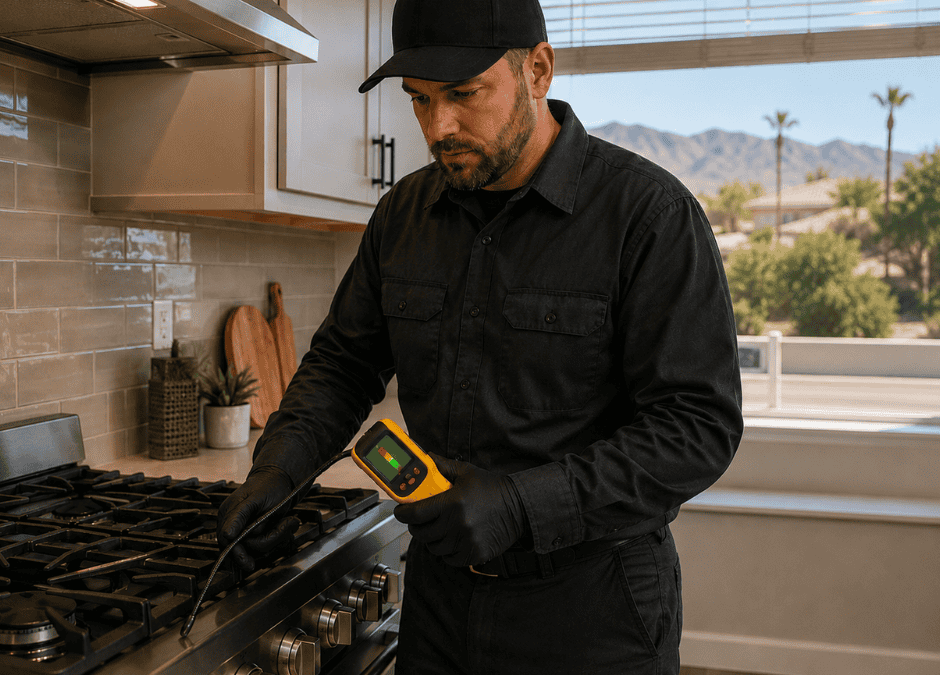
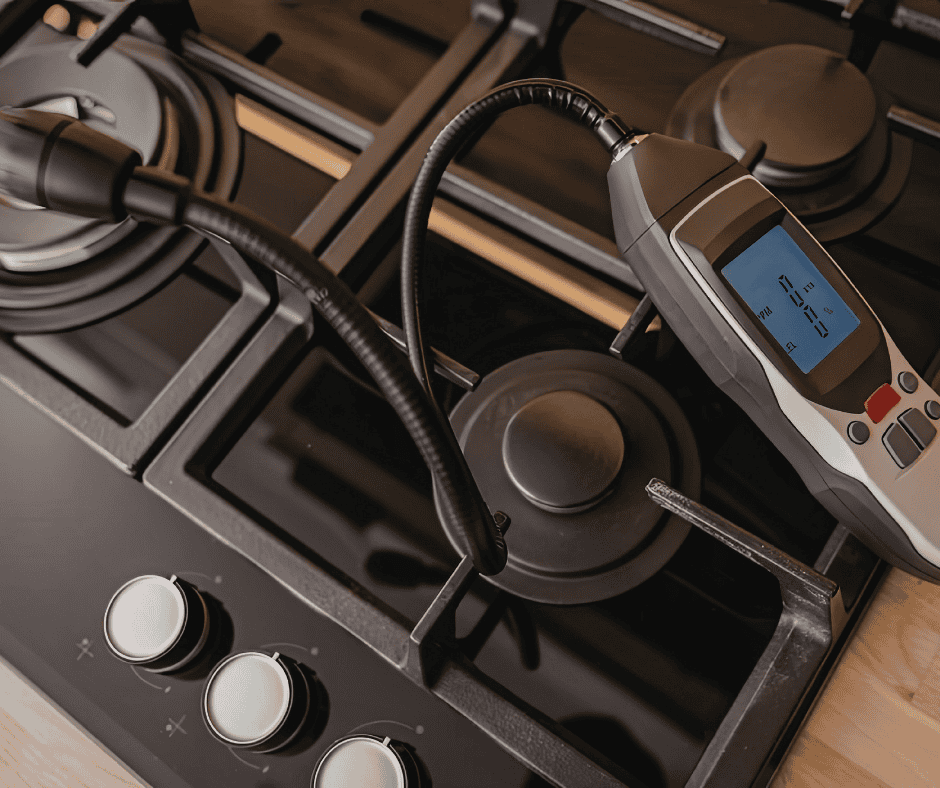
Professional leak detection equipment can pinpoint the problem accurately and ensure repairs meet current safety standards.
At Raptor Plumbing, we understand how stressful gas line concerns can be. Our team provides dependable gas line inspections, repairs, and replacements throughout Las Vegas, helping homeowners restore safety and peace of mind as quickly as possible.
Frequently Asked Questions
Q: What should I do first if I smell gas in my house?
Leave the building immediately and move everyone to a safe location. Once outside, contact your gas company and emergency services for guidance.
Q: Can a small gas leak be dangerous?
Yes. Even a minor leak can create fire hazards and may expose occupants to potentially harmful conditions if left unresolved.
Q: Who should inspect a suspected gas leak?
A qualified gas utility technician or licensed plumbing professional should inspect the system and perform any necessary repairs.