
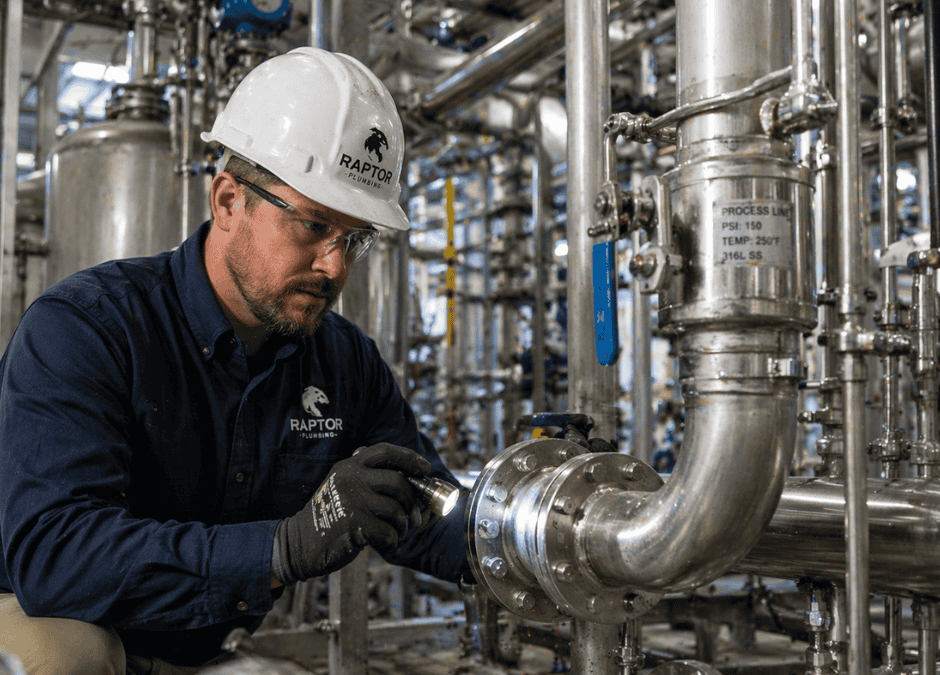
Material choice can decide whether an industrial system runs safely or fails early. Heat, pressure, chemicals, moisture, and vibration all put piping and components under stress. The right material protects uptime, lowers repair costs, and supports safer daily operations.
Start With the Real Conditions
Every site has a different risk profile. A material that performs well in one plant may fail quickly in another. Before selecting piping, fittings, or valves, review:
- Operating temperature ranges
- Pressure demands
- Chemical exposure
- Abrasion or particle wear
- Outdoor weather and UV exposure
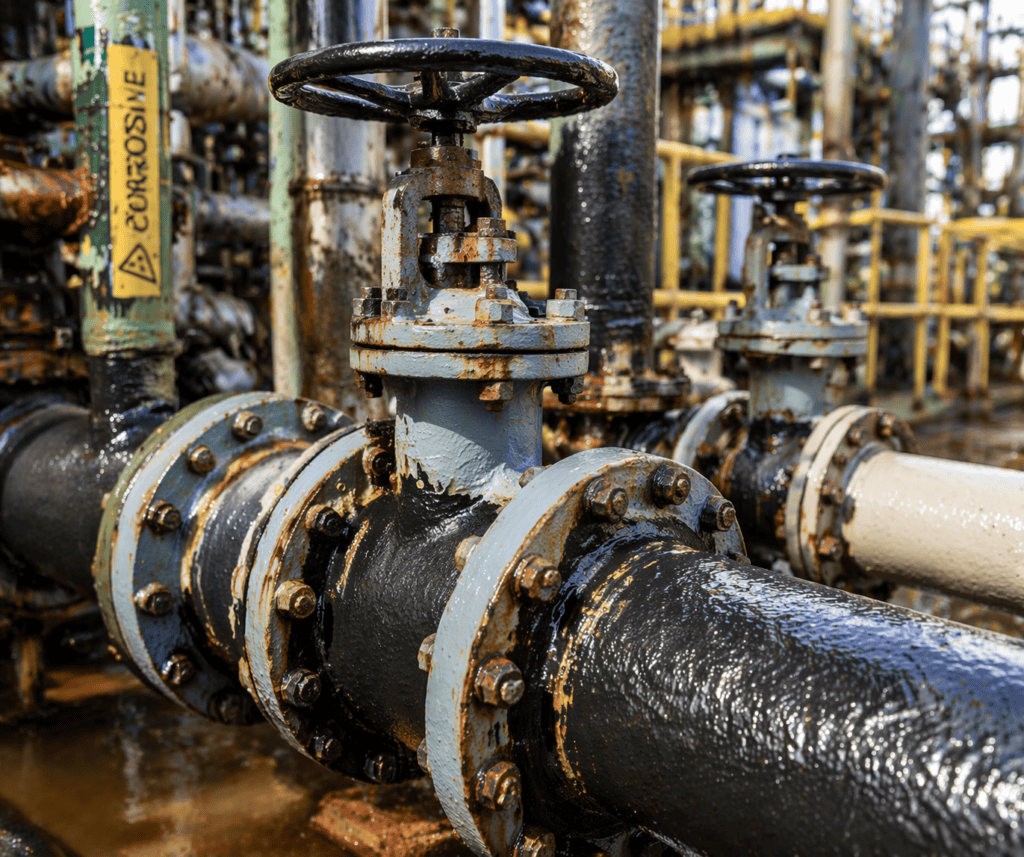
Stainless steel is a strong option for corrosion resistance and clean performance. Carbon steel works well in many heavy-duty systems but needs protection in wet or chemical-rich areas. High-performance plastics can resist certain chemicals, though they may not handle extreme heat or impact.
Match the Material to the Job
No single material fits every application. Harsh environments often need a balance of strength, corrosion resistance, service life, and maintenance needs. In many cases, coatings, linings, and insulation matter just as much as the base material.
It also helps to think beyond installation day. A lower upfront price may lead to more shutdowns, leaks, or replacement costs later. Dependable planning saves money over the life of the system.
Frequently Asked Questions
Q: What material is best for corrosive industrial settings?
That depends on the chemical exposure and operating temperature. Stainless steel, specialty alloys, and some engineered plastics are common choices when corrosion is a major concern.
Q: Can one material handle both heat and chemical exposure?
Sometimes, but not always. Many systems need a combination of materials, coatings, or liners to perform reliably under both conditions.
Q: Why does material selection affect maintenance costs so much?
Poor material matching often causes early wear, leaks, and downtime. Choosing correctly from the start usually means fewer repairs and longer service life.